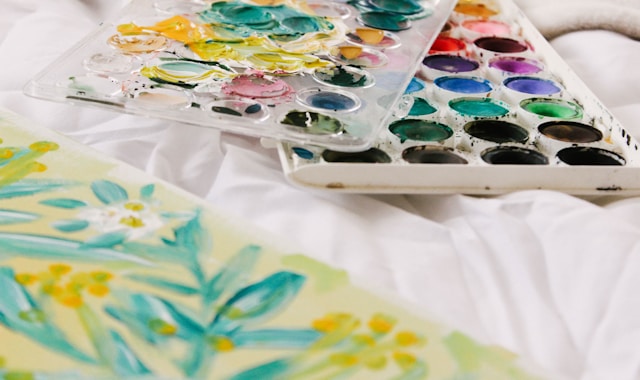
What is Art Therapy?
Art therapy is a form of expressive therapy that uses creative processes like drawing or painting to help individuals explore emotions, reduce stress, and improve mental well-being. It is guided by a trained therapist and integrates psychological principles with artistic expression.
Our Approach to Art Therapy
In our practice, we do not follow a strictly psychoanalytic or interpretive approach to art therapy. Instead, we use art-making as a tool to facilitate emotional expression and healing, allowing clients to explore their inner experiences without pressure to “analyse” their work.
For many clients—especially those who struggle with verbal communication or have experienced trauma—art becomes a bridge to process feelings that are hard to put into words. We might incorporate:
- Storytelling through imagery (e.g., “Tell me about the figure you drew”).
- Gentle prompts to explore themes like safety, conflict, or hope.
- Narrative therapy techniques, helping clients reframe their stories through their creations.
We prioritize safety and client-led discovery—observing patterns without imposing interpretations, and letting insights arise organically.
FAQs about Art Therapy
Is Art Therapy Just About Making Art?
No. While creating art is part of the process, art therapy is:
- Therapeutic: Helps process trauma, anxiety, and unresolved emotions
- Structured: Guided by a therapist with clinical goals
- Insight-Driven: Uncovers subconscious thoughts through symbolism
Who Can Benefit from Art Therapy?
- Children: ADHD, school anxiety, behavioral issues, grief
- Adults: Depression, PTSD, chronic illness, identity struggles
- Seniors: Dementia, loneliness, life transitions
- Neurodiverse Individuals: Autism (ASD), sensory processing differences
How Does Art Therapy Work?
- Non-Verbal Expression: Bypasses language barriers to access deeper emotions
- Symbolic Exploration: Colors, shapes, and imagery reveal inner experiences
- Therapist Guidance: Helps interpret and integrate insights
What Does the Therapist Do?
- Creates a Safe Space: Encourages free expression without judgment
- Identifies Patterns: Notices recurring themes in artwork
- Facilitates Discussion: Asks reflective questions to deepen understanding
How Many Sessions Are Needed?
- Short-Term: 1–4 sessions for stress or specific issues.
- Long-Term: Months to years for trauma or deep self-exploration.
- Duration: 45–60 minutes per session.
Limitations of Art Therapy
Suitability and effectiveness varies for every individual. Some individuals may struggle with artistic expression or find the process overwhelming, while others may not be able to connect with the art created
How to Measure Progress?
- Increased emotional awareness and verbalization.
- Shifts in artwork (e.g., chaotic → organized, dark → bright colors).
- Improved coping skills in daily life.
Can Art Therapy Be Combined with Other Therapies?
Yes! We often integrate it with:
- CBT
- Trauma-focused therapy
- Mindfulness practices
Questions about Sandplay?
Interested? Sessions also can be requested for therapy work
Related Approaches
Cognitive Behavioral Therapy (CBT)
Brainspotting Therapy
Art Therapy
Sandplay Therapy
Eye Movement Desensitisation and Reprocessing (EMDR)
Narrative Therapy
 Wholeness Therapy and Wellness